

Happy spring ~
I wrote this one on a February day that was over 60 degrees, which made me think about how we cope with climate change and how we talk about these difficult topics as families. Conversations about climate change can bring up a wide range of emotions for both children and adults from worry and sadness to hope and motivation. Having supportive, developmentally appropriate conversations can help children process these feelings in healthy ways and make meaningful contribution.
I’d like to point us towards the wonderful resources from the Climate Mental Health Network. Their resources page has meditations, coping tip sheets, books to read, and a wealth of support.
Climate Emotions: Understanding What You May Feel
Last year I shared some of my takeaways from a CBT conference. Another very important panel I attended and appreciated was on how to help kids with climate change. Even though we don’t have a lot of research data on this topic just yet, it was so helpful to hear expert clinicians share how they support kids with these concerns.
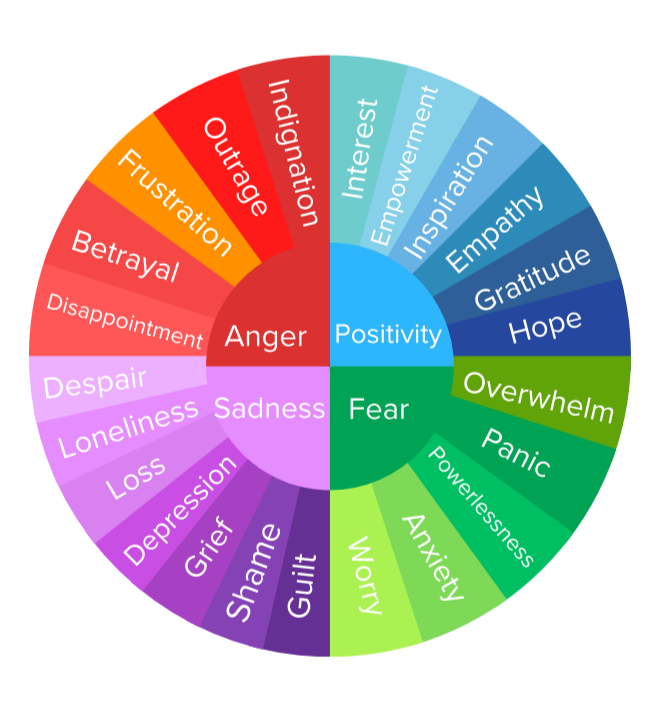
A few takeaways we can use: Yes, there are a lot of negative emotions around this topic and we want to create a safe place to share and validate what comes up. We also want to help access positive emotions (see the climate emotions wheel below for support).
Children may experience a range of climate-related emotions, including:
eco-anxiety
eco-grief
frustration or anger
concern for the future
hope and motivation to help
Helping kids name and understand these emotions is often the first step toward processing them.
The Climate Emotions Compass
We can think about it like a compass. We want to have a healthy compass that functions by moving across a range of feelings, instead of a stuck compass that is focused on the negative only. For example, can we find space for eco-hope alongside eco-grief?
Helping children recognize that multiple emotions can exist at the same time allows them to process complex feelings without becoming overwhelmed. This is where tools like the Climate Emotions Wheel can be helpful for families and educators.
Moving From Worry to Action
We can also apply our CBT skill of shifting out of worry into action here. Participating in collective action in particular can buffer any potential negative impact on an individual’s level of depression and anxiety. In cognitive behavioral therapy, moving from rumination or worry toward purposeful action often helps restore a sense of agency.
For kids and teens concerned about climate change, this can include:
participating in environmental projects
joining community initiatives
learning about sustainability
engaging in conversations about solutions
Taking action, even small actions, can transform worry into empowerment.
Small Steps for Younger Kids
We want to take whatever specific steps we can to move toward empowerment and purpose. For example, with young kids this could look like taking small steps to connect positively with nature, like contributing to a garden. Activities like gardening, spending time outdoors, or caring for plants can help children build a relationship with the natural world that includes both responsibility and appreciation. These experiences also reinforce the idea that individual actions matter.
I hope these resources support you and your family.
If we can help you further, just reach out.
Dr. Rachel and the Well Brain Team
Climate Emotions Wheel
From the Climate Mental Health Network
What We Are Listening To
The Climate Change and Happiness Podcast
What We Are Reading
A Future We Can Love – Susan Bauer-Wu
The Dalai Lama and Greta Thunberg spoke for the first time in January 2021. A Future We Can Love is a wonderful book that shares the words of these two great figures, bringing them into dialogue with dozens of visionary scientists, activists, and spiritual luminaries.